
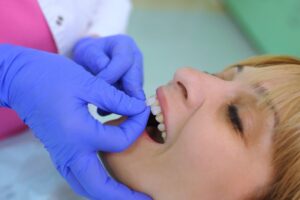
Porcelain veneers are a popular cosmetic dentistry treatment that can transform the appearance of your smile by concealing chips, stains, gaps, and other imperfections. Because veneers are made from durable porcelain, many patients wonder whether they eliminate the risk of cavities altogether.
The short answer is no. While veneers themselves cannot decay, the natural teeth beneath them still can. Understanding how cavities develop and how to care for your veneers can help keep your smile healthy and beautiful for years to come.
Veneers Don’t Decay but Your Teeth Can
A veneer is a thin shell of porcelain that is bonded to the front surface of a natural tooth. Since porcelain isn’t a living material, it can’t develop cavities.
However, the underlying tooth structure remains vulnerable to decay, especially along the edges where the veneer meets the natural tooth. If plaque and bacteria accumulate around these margins, they can produce acids that attack the exposed enamel and lead to cavities.
This is why maintaining good oral hygiene is just as important after getting veneers as it was before treatment.
What Increases Your Risk?
Several factors can increase the likelihood of developing cavities around veneers, including:
- Inconsistent brushing and flossing.
- Frequent consumption of sugary foods and drinks.
- Dry mouth, which reduces the protective effects of saliva.
- Skipping routine dental cleanings and exams.
- Poorly fitting or damaged veneers that allow bacteria to enter beneath them.
Even the highest-quality veneers require healthy surrounding teeth and gums to function properly.
How to Protect Your Veneers and Teeth
Fortunately, preventing cavities is straightforward. Brush your teeth at least twice a day with fluoride toothpaste. Floss daily to remove plaque from between your teeth and around the edges of your veneers.
It’s also wise to limit sugary snacks and beverages, drink plenty of water, and avoid using your teeth to bite hard objects such as ice, pens, or fingernails, which can damage both veneers and natural teeth.
Regular dental checkups are equally important. Your dentist can examine your veneers, detect early signs of decay, and ensure everything remains securely bonded and functioning properly.
What Happens If a Tooth with a Veneer Gets a Cavity?
If decay develops beneath or around a veneer, your dentist will evaluate the extent of the damage. Small cavities may be treated while preserving the veneer in some cases. However, if the decay is more extensive, the veneer may need to be removed so the tooth can be restored before a new veneer is placed.
Treating decay early often results in simpler and more conservative care.
Veneers are an excellent investment in your smile, but they aren’t a substitute for good oral hygiene. While the porcelain itself won’t get cavities, the natural teeth supporting your veneers still require daily care and regular professional attention. By brushing, flossing, eating a balanced diet, and visiting your dentist for routine checkups, you can help protect both your veneers and your natural teeth, allowing your beautiful smile to last for many years.
About the Practice
At Bell Dental in Louisville, we can address several different imperfections in your smile with just one solution: porcelain veneers! Whether it’s cracks, chips, or discoloration, these ultra-thin covers are customized in shape, size, and color and fit over your damaged teeth to blend in seamlessly with the rest of your natural teeth. Come let our compassionate, talented team transform your smile and your life. Book online or call (502) 749-2355.